Why Storage Containers Is More Dangerous Than You Thought
Cargo Storage Containers: Versatile Solutions for Modern Storage Needs
In an age where efficiency and functionality are paramount, cargo storage containers have emerged as a popular option for services and people requiring secure and trusted storage solutions. COG Containers serve a wide variety of functions across various industries, from shipping and logistics to construction and even domestic applications. In this short article, we will check out the various kinds of cargo storage containers available, their uses, benefits, and regularly asked concerns to help potential users make informed choices.
Comprehending Cargo Storage Containers
Cargo storage containers, commonly called shipping containers, are big, robust systems created to help with the transportation and storage of goods. They are primarily made from steel and have specific standardized dimensions, making them stackable and easy to transport by means of ship, truck, or train.
Types of Cargo Storage Containers
Cargo containers can be found in numerous sizes and configurations, each catering to particular needs. Below is a breakdown of the most typical types of containers:
Type of Container
Dimensions (L x W x H)
Features
Common Uses
Requirement Dry Container
20' x 8' x 8.5' (6.06 m x 2.44 m x 2.59 m)
Weatherproof, protected
General cargo, furniture
High Cube Container
40' x 8' x 9.5' (12.19 m x 2.44 m x 2.89 m)
Extra height for extra cargo
Bulky items, devices
Refrigerated Container
20' x 8' x 8.5' (6.06 m x 2.44 m x 2.59 m)
Temperature control for disposable goods
Food, pharmaceuticals
Open Top Container
20' x 8' x 8.5' (6.06 m x 2.44 m x 2.59 m)
Open top for high cargo and flexibility
Heavy equipment, lumber
Flat Rack Container
20' or 40' (6.06 m or 12.19 m)
No sides or roofing system, fit for large loads
Equipment, big equipment
Tunnel Container
20' x 8' x 8.5' (6.06 m x 2.44 m x 2.59 m)
Two entry/exit points, suitable for fast gain access to
Warehousing, logistics
Advantages of Using Cargo Storage Containers
Security: Built from long lasting steel, cargo containers are resistant to theft and vandalism. Numerous containers come equipped with lock systems for included security.
Weather condition Resistance: Designed to withstand severe weather conditions, cargo containers secure their contents from rain, wind, and severe temperatures.
Cost-Effectiveness: Renting or purchasing a used shipping container can be significantly less expensive than traditional self-storage units, especially for long-term needs.
Adaptability: Cargo containers can serve different functions, from mobile offices to pop-up retail spaces, making them appropriate for various industries.
Portability: Containers can be quickly transported, whether throughout cross countries through freight or in your area by truck, allowing for versatile storage solutions.
Eco-Friendly Options: Reusing shipping containers for storage or construction can be a sustainable option compared to conventional structure products.
Common Uses of Cargo Storage Containers
The applications for cargo storage containers are vast. Here are some common usages:
Industries: Cargo containers are basic in shipping goods throughout the world. They help assist in trade in industries such as manufacturing, agriculture, and durable goods.
Construction Sites: Temporary storage for devices and products on construction sites helps keep tasks organized and secure.
Retail: Many companies convert cargo containers into unique retail areas or pop-up stores, providing an unique shopping experience.
Residential: Homeowners have actually increasingly turned to shipping containers for innovative housing solutions, consisting of tiny homes and backyard workplaces.
Emergency situation Services: In times of disaster, cargo containers can provide required storage for emergency supplies and equipment.
Choosing the Right Container
Selecting the best cargo storage container needs cautious consideration of numerous elements. Some crucial aspects to bear in mind consist of:
Purpose: Define what you plan to use the container for— storage, transport, domestic, or business purposes?
Size: Match the container's dimensions to your particular requirements. Consider future growth and whether a bigger size may be essential.
Condition: Decide between new or used containers. New containers provide greater sturdiness, while used ones might be more cost-effective.
Ease of access: Think about how typically you will access the container and whether ease of gain access to is a priority.
Place: Determine where the container will be positioned and look for any regional policies or zoning constraints.
Often Asked Questions (FAQ)
Q: Can cargo containers be modified for specific needs?A: Yes, many companies focus on modifying cargo containers to fit particular needs, such as including windows, ventilation, or electrical systems.
Q: How can I guarantee a cargo container is safe?A: Look
for containers with protected locking systems. Furthermore, examine for rust or damage, and consider security features like alarms if needed.
**Q: What are the average rental expenses for cargo containers?A: Rental prices differ based on location, size, and period however can vary from ₤ 50 to ₤ 300 per month for standard containers. Q: Do cargo containers require maintenance?A: Regular evaluations
**for structural stability, rust, and functionality of locks
are suggested. Minor upkeep guarantees the durability of the container. Q: Are there weight restrictions for cargo containers?A: Yes, cargo containers have actually weight limitations defined by their design
**. It is essential to adhere to these limits to prevent damage and guarantee safety. Cargo storage containers are vital in today's hectic environment. Their flexibility, security, and cost-effectiveness make them a practical choice for numerous
storage needs throughout various markets. By comprehending the different kinds of containers readily available and their applications, businesses and people can make informed decisions that align with their particular requirements. Whether for commercial use, construction, or personal tasks, there is a cargo storage option readily available to meet every storage obstacle. Furthermore, as sustainability and innovative design continue to form modern-day solutions, cargo containers remain at the leading edge of these patterns, showing that they are more than just a short-lived storage solution— they are an entrance to unlimited possibilities. 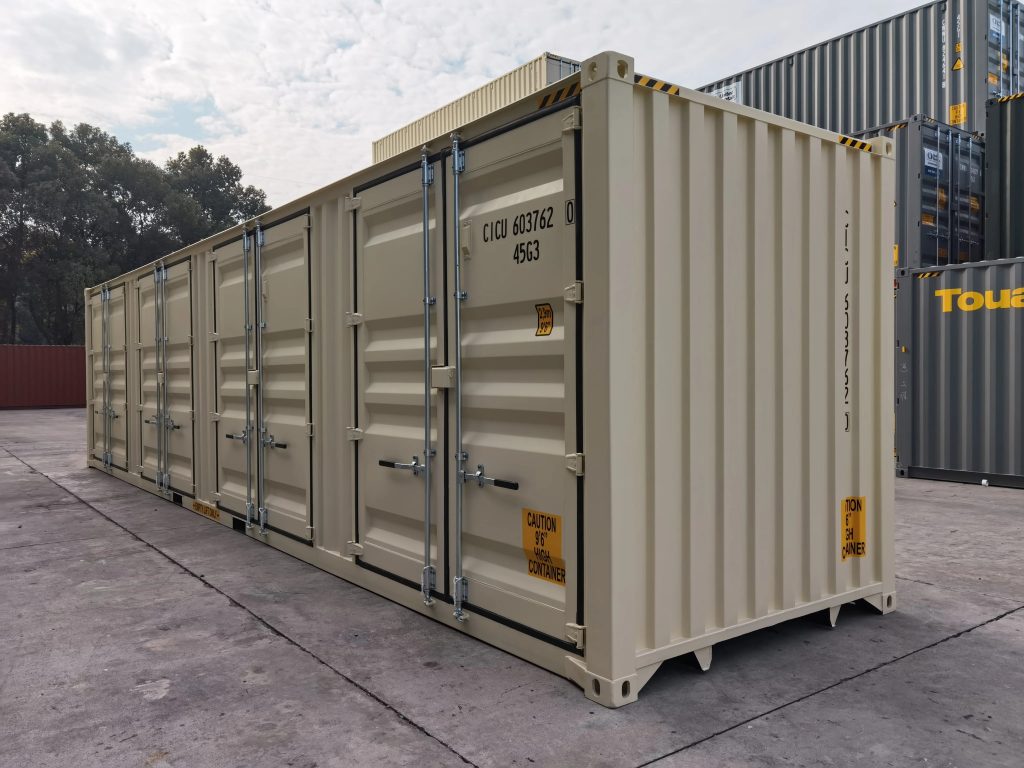 ******